
There is no single “best accountant in Miami”. The right one depends on what you need: a tax return once a year, monthly books for a growing LLC, or someone who can explain everything in Spanish to a partner abroad. These are the six checks we would make if we were hiring, and an honest note on what a CPA is and is not.
1. Check that they are registered with the IRS
Anyone paid to prepare federal returns must have an IRS Preparer Tax Identification Number (PTIN). Ask for it. You can also search the IRS Directory of Federal Tax Return Preparers, which lists preparers with recognized credentials. A firm that hesitates to answer this question is a firm to skip.
2. Read the reviews, then read the replies
Google reviews are the fastest way to see how a firm treats clients when something goes wrong. Look for reviews that mention your situation (a first LLC, a restaurant, rental property, an ITIN) and look at whether the firm answers complaints. Dozens of five-star reviews with no text mean less than ten detailed ones.
3. Ask whether they know your industry
A trucking company deals with IFTA, a restaurant with tip reporting, a landlord with depreciation, a foreign owner with Form 5472. An accountant who already serves businesses like yours will catch things a generalist misses. Ask how many clients they have in your line of work.
4. Language matters more than people admit
If you think in Spanish, you should be able to ask your tax questions in Spanish and get a straight answer. In Miami, a bilingual accountant is easy to find; a bilingual accountant who also writes clear English for the IRS and your bank is what you actually need. Ask who you will talk to day to day, not only who signs the return.
5. Get the price in writing before any work starts
A good firm will tell you what the return or the monthly service costs after a short conversation, with no hourly surprises. Ask what is included (state filings, the Florida annual report, answering an IRS letter) and what costs extra. Our guide to accountant fees in Miami lists typical ranges.
6. Look for year-round availability
Problems do not wait for April. If the firm closes its doors after tax season or only answers in the spring, your IRS notice in August will sit unanswered. Ask how they handle questions in the off-season and whether you can meet remotely.
CPA, accountant, enrolled agent: what the titles mean
A CPA (Certified Public Accountant) holds a state license that allows audits and reviewed financial statements; you need one if a lender or investor asks for audited statements. An enrolled agent is licensed by the IRS and specializes in tax. An accountant or bookkeeping firm keeps your books and prepares your returns, and must be registered with the IRS as a preparer to do so. For most small businesses in Miami, the deciding factors are experience with your industry, availability and clear pricing, not the letters after the name. MO Accounting Services is an accounting and tax firm registered with the IRS; we do not perform audits, and we say so when a client needs one.
Where to look
Start with Google Maps for “accountant near me” and read the reviews as described above. Ask other owners in your industry who they use. Check the IRS preparer directory. Then book a short first meeting with two or three firms; the one that asks you the most questions about your business is usually the one that will serve you best.
A free 15-minute consultation is the easiest way to run these six checks. Bring your questions, and judge the answers.
Frequently asked questions
Who is the best accountant in Miami for small businesses?
The one with experience in your industry, a current IRS preparer registration, detailed client reviews, clear pricing and year-round availability. Compare two or three firms in a short first meeting before you decide.
What is the difference between a CPA and an accountant?
A CPA holds a state license and can perform audits and reviewed financial statements. An accountant prepares books and tax returns and must be registered with the IRS as a preparer. Most small businesses need an accountant; you need a CPA when a lender or investor requires audited statements.
How do I find a bilingual accountant in Miami?
Search Google Maps for “bilingual accountant Miami” or “contador en Miami”, read the reviews, and confirm in the first call that the person you will deal with day to day speaks your language, not only the person who signs the return.
How do I choose an accountant for my LLC?
Ask how many LLCs they serve, whether they handle the Florida annual report and the S corporation election, how they price monthly bookkeeping and whether they will answer IRS letters during the year.
General information, not advice for your situation. Rules change; talk to us before acting.
MO Accounting Services has served Miami families and small businesses for more than 18 years, in English and Spanish, with a 5.0 rating on Google.
Related service: Tax Preparation
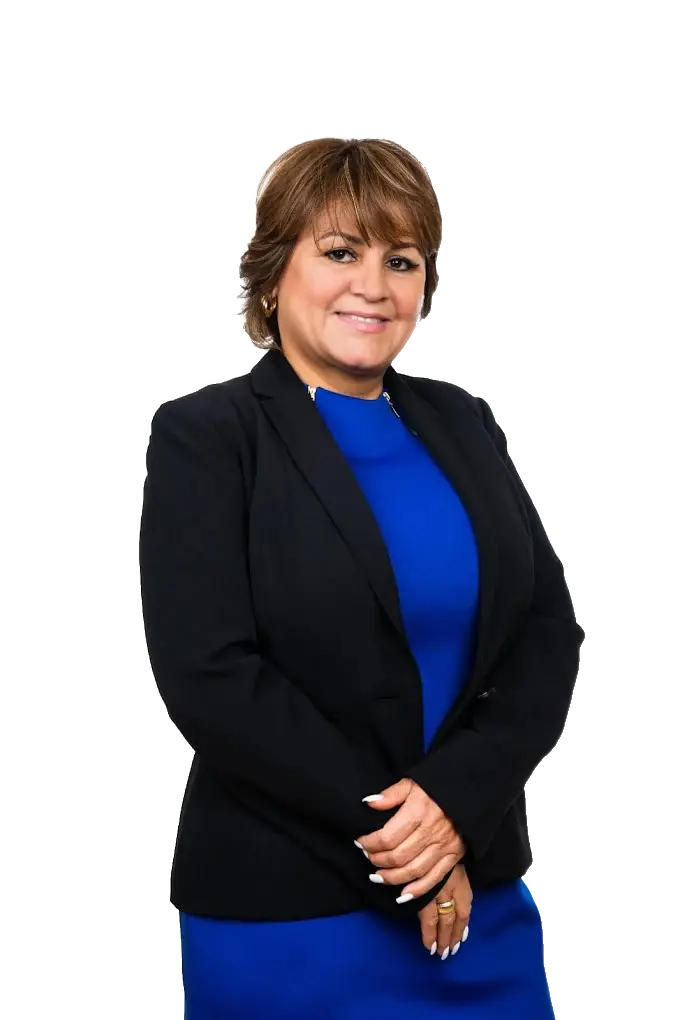
By Martha Otalora · Founder & CEO, MO Accounting Services. Last reviewed October 2026.